Featured Post

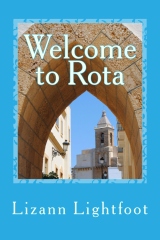
The Welcome to Rota Book

It has been 2 years since the Welcome to Rota paperback book was first published, and I am so proud to announce that it has received nothing...

Saturday, October 25, 2014

Granada and the Alhambra

Granada is a large, sprawling city with a modern urban vibe. If you are used to visiting quaint, dusty, mountain villages in Spain, you will be surprised by Granada’s metropolitan center, shining store windows, and international cuisine. There are great reasons to visit Granada throughout the year. In warm weather, tourists flock to the Alhambra—the last Moorish stronghold, and most richly decorated palace. 


In winter, the mountains around Granada are snow-covered. This is one of the only sources of snow within driving distance of Rota, so if your children have lived in Spain too long and don’t know how to build a snowman, consider spending a winter weekend here. The sledding and skiing opportunities are in the Sierra Nevada mountains around the city, about 20-30 minutes away. Do research ahead of time, because some slopes have restrictions on equipment or ages of children.
 The main attraction in Granada is the Alhambra. This is a huge palace complex, high on the hill overlooking the city. It was the last stronghold of the Moorish kings, and is a stunning example of mudejar architecture: extremely intricate carvings on walls and window lattices, pointed archways, elaborate fountains, and gorgeous gardens. The fortress was mostly constructed in the 11th century, replacing a small 8th century fort. It became a palace in the 13th century, with each Muslim ruler adding to it and improving it. Later, the Christian kings conquered Granada and used the Alhambra for themselves. In the 16th century Charles V added his own palace to the grounds. So the complex now contains several structures and gardens from different time periods, all included with your ticket purchase.

The fanciest building, the Nasrid Palace, is the star of the show and the area most people come to see. It has the famous Court of Lions and the Hall of the Abencerrajes with its ‘honeycomb’ ceiling. You should order tickets months in advance, because the number of visitors allowed in the Nasrid Palace is limited. Tickets sell out quickly, especially in the summer months. Visit www.alhambradegranada.org/en to make a reservation. You can visit either in the morning or in the afternoon. When you order online, you can either take your email confirmation to the main ticket entrance of the Alhambra to pick up your tickets, or you can bring your confirmation email ahead of time to any Caixa bank to get your tickets. If you have actual tickets in hand, you can use a side entrance to the complex that is a little closer and more convenient, and you don’t have to wait in the regular ticket line.

A specific time will be printed on your e-mail and ticket. This is your time to enter the Nasrid Palace, near the far end of the complex. You can enter the Alhambra area before your ticket time and visit the gardens, the fort, and the Palace of Charles V. But you cannot enter the Nasrid Palace without lining up at your appropriate time. I recommend arriving at the Alhambra at least 1 hour before your ticket time, because it takes at least 30 minutes to walk from the main entrance area, across the gardens, to the area where the Nasrid Palace line forms. Do not miss your ticket time, because then you won’t be allowed in! It takes about 1 hour to explore the rooms of the palace, and it is an experience you will remember for a long time. Each room is more exotic and impressive than the next. 

If possible, spend a full day exploring the rest of the grounds. They are mostly stroller accessible, but there is a stroller check. The rest of the Alhambra includes the walls and tower of the Alcazaba fort (the oldest building there) which you can climb via many stairs;  the Renaissance-style palace of Charles V, with a round columned courtyard; and the palace and gardens of the Generalife (pronounced Hen-er-al-leaf-ay). This Moorish style palace is not as elaborate as the Nasrid Palace, but it has amazing gardens and fountains. Washington Irving, the American writer, lived in the Alhambra in 1828. He wrote about his experiences, including local tales and legends. Read his book Tales of the Alhambra before you go, to enrich your visit.

Other Granada sites include the neo-classical Cathedral and surrounding spice markets. King Ferdinand and Queen Isabella are buried in the cathedral. 


Some visitors enjoy hiking uphill through the very narrow, steep streets of the Albaycin, the old Moorish area of the city. The Albaycin hill is featured on the right side of this photo, viewed from the Alhambra. 
In Sacromonte are the cave-homes of gypsies, where you can see wonderful dance shows with vibrant flamenco music. Finally, Granada is one of the few cities in Spain that still serves free tapas. These are complimentary whenever drinks are ordered at a bar. 


Some other fond memories:
We travelled to Granada for 3 days with the Grandparents, and rented a house just outside the city. We used the public bus to get back and forth, which was cheap and relatively easy. Granada is a very expensive city in which to find lodging, so that is why we stayed just outside. We were on a small farm, with grapevines around the house, and a rooster crowing in the backyard. It also had a large pool, and the kids spent each afternoon swimming with their grandparents. We loved the gorgeous views of the mountains, and the kids liked looking for the red bus!

 
Granada is a wonderful city for any kind of shopping. There are high-end stores in the downtown distract, as well as many delightful specialty stores. Grandpa's favorite was the pastry shops. He loved stopping for a treat at any time of day. And the kids loved sharing with him! Here they are having a mid-morning snack of chocolate cake against the wall of the Cathedral!


We visited Granada in September 2013. The majority of this post, except for the Fond Memories, is an excerpt from my book, Welcome to Rota. The photos are all mine.

Friday, October 24, 2014

Barcelona

In October, we had the opportunity to travel to Barcelona and spend a long weekend meeting up with my parents, who were there on a business trip. It turns out that October is a wonderful time to visit this city in the Northeast corner of Spain: the weather is gorgeous and comfortable, and the crowds are somewhat less than during summer peak times. Barcelona is an amazing city, the 2nd largest in Spain after Madrid. It is an interesting mix of ancient history and modern architecture. The city is vibrant and full of colors. It is in Spain, but does not consider itself truly Spanish (more about the Catalunyan culture later). So there is something to see for everyone!

Transportation: RyanAir, the low-cost airline, flies directly from Jerez airport to Barcelona El Prat airport (BCN). This is the main Barcelona airport, and convenient to the city. There are 2 main terminals, separated by a 15-minute bus ride, so check your tickets carefully if you are booking connecting flights. To get into the city from the airport, you can:
1. Take a cab (ride is about 30 minutes and costs just over 30 Euros
2. Take a train (ride is about 30 minutes and goes to the central train station, cost around 10 Euros)
3. Take the metro (tickets cost 2 Euros for a one-way ride, and you can go anywhere in the city)
We took a cab to and from the airport, but used the metro to get around while in the city. IT is easy to use, fairly clean, and has modern trains. Fares are usually 2 Euro per one-way ticket. However, if you buy a T-10 ticket from the kiosks, you get 10 one-way fares for just 10 Euros. These can be used by one person at a time, or you can have a group use the same T-10 ticket, swiping it one time per person as you pass through together.
When traveling on the metro (or anywhere in public), be extremely cautious of your personal belongings. Barcelona is a big city, with major crime. You will be reminded time and again to be careful with your cameras and purses. I have been spoiled here in Southern Spain, where the streets are relatively safe. I was foolish and forgot to move my phone from an outside pocket of my bag. I remembered it 5 minutes into our trip on the metro, but it was already too late... the phone was long gone. Luckily, that particular phone was easy to replace, but thank goodness it wasn't my wallet! Keep everything close to you, zipped up, and in sight at all times!!!

Main Attractions:
La Sagrada Familia church is a modern cathedral that is still under construction (scheduled to be finished in 2025). The structure is unlike any church you have ever seen--from it's sandcastle-like exterior, to its breath-taking rainbow-lit interior. The architect, Antoni Gaudi, envisioned a cathedral where pure-white stone "trees" branch overhead, and the brilliant colors of the windows control the shades of light.


Construction began in 1882, and even though the architect died suddenly in 1926, work has continued. Most of the structure is complete. However, they are still building the front entrance, towers, and windows, so you currently enter through the side entrance, shown here. It is remarkable to visit a cathedral that is still under construction. While we were there, workers were painting the large bronze doors with bright red and green colors. You could see panes of clear glass in the front of the church, and envision how colorful it would be after it is completed. Yes, the cranes and scaffolding do mar some of the experience, but the visit is still amazing and fulfilling. We think of cathedrals as ancient structures constructed by people in the Middle Ages. But even though technology has advanced so much since then, it still takes more than a century to produce this work of art!
The exterior is covered with detailed carvings of the Holy Family and saints, as well as whimsical additions, like fruit. Can you find the Christmas Tree near the top of this picture?

There are many impressive things about La Sagrada Familia, but the one that stands out is the brilliant colors. If you go in the late afternoon, you can watch the sunset through these windows. If you go in the morning, the sun will come in the blue and purple windows on the opposite side. It is recommended to reserve tickets online in advance, as the line can be over an hour. Reservations are for half-hour periods, so if you make a reservation for 3:00, you can enter anytime between 3 and 3:30, and stay as long as you like. Ticket prices begin at 12 Euros per adult, but can be more if you pay for audioguides, a human guide, or a trip up into the towers. The audioguides were interesting, but turned out to be most helpful to the kids. There was a special child set that played music, and our usually active kids were quiet and subdued for an hour listening through their headphones. Sophia, age 6, decided that the "rainbow church" is the most beautiful church in the world, and her favorite part of the trip.


Park Guell:
I was excited to visit this park at the Northern edge of the city for two reasons. First, it was designed by Antoni Gaudi and is the largest example of his playful, colorful designs. Secondly, it is an iconic location in Barcelona, and seems to be featured on every book cover and every movie shot in this city. I like going to places that we will see years later in a movie and be able to remember fondly. Well, Parc Guell is beautiful and iconic, but it was a little different than what we expected. 

So the Park Guell is a little difficult to get to. We rode the metro to the nearest stop, Vallcarca, but it was still a 15-minute walk up STEEP hills (like San Francisco) to get to the Park entrance. There are escalators going up parts of the hill, but some members of our group were still pretty breathless. Then, once you get to the park entrance, you have to follow signs to the Gaudi area. The terrace with the colorful bench (pictured above,) the gingerbread house (pictured here), and the Roman columns and steps are all in a fairly tight, close area. And even though the guide books all claim there is free admission, the city has recently enclosed the Gaudi portion, and now sells tickets with specific times on them, to control the amount of visitors in the space at one time. You can buy tickets ahead of time online, and costs are about 7 Euro per adult (kids free). The gingerbread house was once Gaudi's residence, and you need a separate ticket to enter there (can be purchased in combination with your Sagrada Familia ticket). Cost is about 6 Euros. It does not have a time stamp, but the house is quite small, so you can see the long line that forms outside.

Luckily, we learned all this before we arrived, and purchased our tickets online, had them sent to my email, and scanned the code from my smartphone at the Park entrance. If you don't have a specific time reserved, there was a line to get in. Even with the ticket numbers controlled, 400 people per half hour is quite a crowd for this space. The architecture is gorgeous, but it is difficult to appreciate it or take any good photos with so many people around. Gaudi designed the Park to be a private village around the turn of the century, but it was never completed. The salamander (pictured here) is a symbol of the city of Barcelona, and is one of several brightly-colored tile sculptures in the central area which was intended to be the village marketplace.

We all enjoyed the architecture and the colors. It was truly a unique place, and would be gorgeous to visit early in the morning and watch the sun rise over the city. You have sweeping views of the entire city skyline from the top of the hill. The kids loved all the unique buildings and sculptures, and had several opportunities to borrow my camera and take some shots. It is a kid-friendly location, but the crowds make it a little more stressful. Overall, the kids were great troopers--taking the metro, walking quite a bit, and then going home after dark. But I would not put this at the top of the kid-friendly attractions. We all had to stop and get ice cream before going back to the apartment that night!

Other sources of Gaudi architecture: You can take a tour and see modernismo architecture all over the city. Besides Sagrada Familia and Parc Guell, there is the apartment complex La Pedrera, which is designed to look like carved stone. There are also 3 side-by-side houses in the North of the city: Amatelier, Batiol, and Ciutat. Some of these can be entered, but all can be appreciated from outside, as well.


The Beach and Boardwalk: If you live in Rota, you are spoiled with a beautiful boardwalk, and several clean beaches available year-round. Barcelona is on the Mediterranean Sea, and has its own long beach, which is a popular tourist destination. The boardwalk stretches from one 5-star hotel o the famous Wyndam (shown just behind my head in this picture) over a mile away. Along the way there are numerous high-class restaurants and tapas bars to enjoy, as well as a few parks, playgrounds, and street shopping areas. There is also a really interesting cable car ride HIGH over the harbor, which I believe begins and ends at the mountain of Montjuic.

Medieval Quarter (Gotic): There are many different neighborhoods in Barcelona. Some are wide, modern boulevards with mansions designed for the wealthy in the early 1900's. But the oldest portion of the city was one of our favorites. The streets of the Barrio Gotic (Gothic Neighborhood) are as narrow now as they were in the Middle Ages. You can spend several wonderful hours strolling through the streets, which are quiet in the mornings, but a little dangerous at night. This area contains the Roman walls, the old aqueduct, and the Cathedral, as well as the oldest Jewish synagogue and several other unique sights. In ancient times, it was the Jewish quarter. By the Renaissance, when the Jews had been forced to flee the city after Barcelona was absorbed into the Catholic Kingdom of Spain. The neighborhood then became home to the aristocrats. This reminded us a lot of the small city of Toledo, which we had visited a year earlier. You can walk on your own or take a guided tour.


13th Century Cathedral: This Gothic construction is unique in Spain, since the region of Catalunya had not yet been absorbed into the country of Spain at that time. This region remained Catholic, free from the Moorish invasion. The churches we see in Southern Spain are usually from the 1500's, and built over the location of former mosques. In Barcelona, cathedral construction began in the 1200's, in a combination of medieval Gothic and Renaissance styles. Inside, there are gorgeous chapels and a well-preserved choir area. Admission is free at all times, with minimal fees to enter the museum area. You can also take an elevator to the tower tops for wonderful views. Mass is said on Sundays in Catalan. The large square in front of the Cathedral is a wonderful place to gather on Sundays at Noon, because there are public performances of the sardana. This is a Catalanyan folk dance similar to the Sevillanas we are familiar with here in Rota. During large festivals, you can also witness the famous human towers here, which are another interesting aspect of Catalunyan culture.
Inside the Cathedral courtyard, you will find a beautiful quiet fountain and 13 tame geese. These are in honor of Saint Eulalia, one of the patronesses of the city. She was martyred in Roman times (4th century persecutions), when she was only 13 years old. The legends state that she endured 13 different types of torture, so 13 geese have been kept here since the Middle Ages to honor her memory.


Picasso Museum: Pablo Picasso spent most of his childhood in Barcelona, and the artist donated over 2,000 paintings, drawing, and engravings to the museum in 1970. It does not contain many of his famous works. The Picasso Museum in Malaga is a much better collection of his famous pieces. However, since the works are arranged chronologically, it can give you an interesting insight into his early development and some of the different stages he went through. Admission is 9 Euros for adults (kids free).

Barcelona for Kids

Parc de la Ciutadella is the largest green area in the city, and a wonderful place for kids to run around and stretch their legs. They can even rent paddleboats to go on the small lake. The parc also contains a fountain with a huge sculpture (pictured here), where my family apparently decided to strike a pose for their next album cover, haha! There were lovely shaded areas, and small green parrots in the trees and on the grass. The parc is the location of the Parliament building--not open to the public--and also the zoo.
The Zoo: Barcelona's Zoo is currently ranked as
the top in Spain! It WILL be a wonderful place for kids to visit someday, but perhaps not right now. The zoo is getting a major update, so there are currently a lot of areas closed or under construction. The highlights were that there was a large variety of animals, and you can get quite close to most of them because of the somewhat small living areas and many glass enclosures. The newer houses for the monkeys, reptiles, and the komono dragons were really cool, and the dramatic video before the komono dragon exhibit seemed to be the favorite part for the boys and my dad! There is also a dolphin show! With ticket prices of 16 Euros per adult and 10 Euros per adult, make sure you have a few hours to wander through everything.

L'Aquarium: Barcelona's Aquarium is very modern, built in 1996. It has a huge central corridor with glass tanks curving around and over it, so the fish and sharks appear to be swimming all around you! It is located out in the middle of the harbor area. We did not have time to visit, but the tickets are 18 Euro for adults, 13 Euros for children, and their website is www.aquariumbcn.com.


History of Barcelona:

Roman origins: The word Barcelona literally means "home of the Barclays." Hannibal Barclay is the Carthaginian who brought elephants over the Alps to invade the Roman Empire, and Barcelona was his home base. In Roman times, Barcelona was a large, thriving port city important for Mediterranean trade. The Roman walls can still be seen in the Gotic neighborhood, as can this portion of the original aqueduct near the Cathedral. It is a wonderful neighborhood to walk through, on your own or with a guide, to appreciate the city's ancient roots. (More well-preserved Roman Ruins can be seen in the city of Tarragona, an easy train daytrip from Barcelona).

Modern Political Unrest: Barcelona is the capital of the region of Catalunya, which has a complex and somewhat disjointed history. Catalan is the official language, not Spanish. (They may look similar, but the words and pronunciation are quite different). Located in between the countries of France and Spain, Catalunya was sometimes ignored as a buffer region, and sometimes awarded as a casual gift to one crown or another, ranging from Napoleon's brother to the Spanish King of Aragon. Once King Ferdinand and Queen Isabella married and united Spain in the 1400's, the region of Catalunya became part of the Kingdom of Spain. Catalunyan culture and language were mostly respected until Catalunya sided with the wrong side during the War of Spanish succession. So in the 1700's, the Catalan language was abolished, and any expressions of cultural heritage were suppressed. However, the city continued to be an important industrial and economic center, particularly in the 1800's, and enjoyed a brief period of French rule by Napoleon. When the Spanish Civil War rages in the 1930's, Barcelona was again on the losing side (the Republicans), so when the dictator Francisco Franco seized control, he forbade the use of the Catalan language in public. During this time, the industrial city experienced an influx of immigrants from all over Spain (an Europe), making the city more multi-national, and diluting the Catalanyan culture. When Franco died in the 1970's, the region finally gained the designation of autonomy (similar to the condition of the region of Andalusia). Recently, there has been a revival of Catalanyan culture and language. The region is mobilizing and demonstrating for independence from Spain, but this seems unlikely. If Catalunya became independent, it would probably not be accepted into the E.U., so it would need its own currency and self-sufficient economy. What does all this mean for travelers? First, beware of protests. There were some large crowds with LOUD protests and sticks of dynamite parading through the main plazas while we were there. Secondly, this may be one place in Spain where you are better off speaking English than Spanish. The language is Catalan, and they do NOT appreciate attempts to speak Spanish. I am used to my Spanglish begin well-received here in Andalusia, with friendly, encouraging locals. But the Catalunyans do not like the Spanish, and were very rude and particular when I attempted to speak Spanish to them.


Food:
In some ways, Catalunyan menus, restaurant hours, and tastes are very similar to the rest of Spain. They dine late, love seafood, and enjoy tapas just like everyone in this region. Regional specialties include Spanish favorites like paella (pictured here) and fidua noodles. As a seaside city, seafood dishes are abundant and very rich. But Catalunyan food is not just Spanish. French influence is evident in some dishes, like the dessert crema Catalan, which is like a French creme brulee. There are also numerous ethnic restaurants throughout the city, ranging from casual to expensive, so you can truly taste any culinary delight you desire. We enjoyed a few casual lunches with the kids, one nice dinner at a restaurant with my parents, and then one night they watched the kids so my husband and I could enjoy a Date Night! We called a few restaurants, but on a Friday night, they were all FULL at 10 PM! So we wandered the area near Gotic until we found 1932, a quaint cafe with great wine selections and delicious mussels.
Since we were meeting my parents, and they were traveling with some business associates, we all decided to host a catered dinner in our apartment for the whole group on our last night together. After a lot of searching, I found the English-speaking company Sitges Cooking, a friendly pair of chefs who prepare catered events for small or large parties. They allowed me to suggest a menu, did all the shopping, then they came to our location and prepared all the food on site. It was delicious! Goat cheese and caramelized onion toast appetizers, paella entree, and crema catalan dessert. It was an amazing end to a wonderful trip. While this is not a budget-friendly option, it was convenient for a group of foodies traveling with kids. The company can be reached at sitgescooking@gmail.com

While everyone's trip to large cities will vary, I hope this will help you plan your trip to Barcelona! Please leave me a comment and let me know if you have questions, or anything you would like to add! :-)


Sunday, August 31, 2014

My book is published!

Today is the day my book was published! I am pleased to announce that the book, "Welcome to Rota" is now available at https://www.createspace.com/4729464.
Welcome to Rota
This book took over a year to write, and compiles all my knowledge and experience from several years of living at Naval Station Rota. I wanted to compile a guidebook that would be useful to new families moving to the area and help them transition more smoothly to living in Spain. So the result is a 200-page book broken into 4 sections:

Part I, Getting Settled, discusses moving to Spain, what to bring, how to move your pets and your vehicle, how to get settled on base, services and amenities available on base, housing and school options, technology like phones and Internet, and employment opportunities.

Part II, Spanish Culture explains some of the cultural differences that usually surprise Americans in Spain, restaurant etiquette, the Spanish Calendar of holidays, where to find local stores, some useful Spanish phrases, and Metric conversions.

Part III, Food, translates common menu items, explains local specialties, shares the author's favorite recipes, and reviews restaurants in the towns of Rota and Puerto.

Part IV, Travel gives general travel advice for planning trips in Europe, shares details for local children's field trips and outdoor adventures, and also gives complete reviews of places to visit in a day or in a weekend.

Throughout the book, I include GPS coordinates for parking locations and stores, and there are over 100 website links to get more information, not only for the base, but also for local tourist offices and ticket sales for tourist activities. My hope is that the website links will keep the book relevant for years to come, even if certain details become outdated.

The book is a 200-page long paperback, and can be purchased at: https://www.createspace.com/4729464. You will have to sign in as a guest to place an order. The book can also be found and purchased through Amazon.com. The cost is $20, but taxes and shipping charges will be added, based on your state. I hope that the book will be a useful guide for any families moving to this base. So if you have orders to Rota, or know anyone else who will be stationed here, please let them know about this resource! Thank you for your help, and I look forward to hearing your reviews here!

Tuesday, March 4, 2014

The Blog is Becoming a Book!

In case you're wondering why the blog has been quiet for a while, there are two main reasons. First, I have been focusing my writing time recently on turning the blog into a BOOK! After more than a year in Spain, I realized I had a wealth of knowledge to share with newcomers-- not just about travel and food (the main topics of my blog), but also about the base itself, where to find things, how things work here, and just Spanish culture in general. So, I am currently about 75% finished with a book called 'Welcome to Rota: The Unofficial Guide to enjoying Southern Spain.' It is a 4-part book, currently almost 100 pages as a Word document, which should be close to 200 pages when published. Part I is about the base itself: what to pack when moving, services offered on base, housing and school options, official business to getting settled, etc. Part II is about Spanish culture: the daily schedule, local holidays and festivals, where to shop, and cultural differences. Part III is about food, featuring many of the tips, adventures, and recipes that are presented in this blog. And Part IV is about travel--again excerpts from this blog, and from my previously-published articles in the Coastline newspaper. I have enjoyed hearing from friends and strangers who found the blog helpful, and wanted to make it more available to the Rota community. There are many more people moving here this year, and I wanted to find a way to share with them all that I learned (often the hard and frustrating way!) in my first year. I have compiled the ideas of many people in the Rota community to make the book as factual and informative as possible. I plan to self-publish through Amazon. I don't have a publishing date yet, but I am trying to finish it as quickly as possible, because...

I am currently 8 months pregnant with our 4th baby! It's a little girl, and she will be born after Easter, at the end of April! We are very excited, and looking forward to her arrival. The pregnancy has gone well, overall, but it has definitely slowed me down and put a damper on our ability to travel. Happily, I have already gone to most of the interesting day-trip destinations in this area, and was able to blog about them last year. My pregnancy project has been writing the book, instead of working out and traveling. Since the fall, we have not traveled as much, with one big exception: my husband and I spent a couples-only weekend in PARIS in January to celebrate my birthday, and as one last hurrah before the baby's birth. It. Was. Amazing. Truly some memories to treasure forever. After she is born, we will be getting her a passport quickly because we already have plans to go to Ireland with my family in the summer. So I'm sure there will be plenty more adventures ahead, with FOUR children! Thanks for all those who have left positive comments, and I hope you will patiently stayed tuned for more!

Monday, November 18, 2013

A day in Gibraltar

In September, we were excited to have a visit from the kids' Grandparents, my husband's parents. They had never been to Spain before, so we tried to combine simple local outings with fun weekend excursions. One of our favorite trips was spending a day in Gibraltar. This small town, just 1.5 hours from base, is huddled around the base of the famous Rock of Gibraltar (perhaps you recognize it from Prudential commercials?) The colony is actually part of the British empire, so they speak English and serve British food. It is very much like traveling to the Cliffs of Dover, except much more convenient, and much sunnier!

Because Gibraltar does not belong to Spain, you cross an international border when you go from the Spanish town of La Linea (the line) to the British peninsula of Gibraltar. And because England is not part of the EU, this border crossing can be more complicated than going from Spain into Portugal or France.  At the moment, there is political tension between Spain and Gibraltar, so Spain is threatening to impose tariffs on everyone crossing into Spain, and there are long lines of traffic for those who choose to drive across the border. Currently, the easiest option is to simply pull into the large public paid parking lot right before the border, pay a few Euro to park there for the day, and walk across the border into Gibraltar. You do need to bring a passport and go through customs, but there are virtually no lines for foot traffic, and you pass through customs in just a moment, without even stopping to complete paperwork or get a stamp. You will then walk across the actual runway of Gibraltar's airport (the peninsula is so small they had to build the runway extending into the bay, but it was tactically necessary to have an airstrip during World War II). 

Gibraltar has been a strategic location for its entire existence, and it amazing how much of the town's history is influenced by warfare. Originally part of Spain because of geography, Gibraltar was ceded to the British by the Treaty of Utrecht "in perpetuity" in 1713. In exchange, Spain gained the territory of Florida from the British. Of course, Spain assumed that they could take back the city of Gibraltar at any time, and in 1726 they attempted to do so by a land blockade, which was anticipated and repelled by the British. 

The Spanish tried once again to reclaim Gibraltar during the Great Siege from 1779-1783. This time, they blockaded the town from the land and surrounded it with the British Navy. But Gibraltar dug the famous Siege tunnels into the Rock, and placed cannons there to repel the British fleet. The sheer Rock was difficult to attack, and a landing was almost impossible, so after a British sally at night against the Spanish fleet, the Spanish were once again defeated.
During World War II, Gibraltar once again became a contested territory. Franco, the dictator of Spain, was officially neutral, but supported Hitler during World War II. Gibraltar, as a British territory, was one of the few Allied toeholds into "fortress Europe." Hitler was eager to attack Gibraltar from Spain, and paid Franco a large bribe to allow his Nazi troops to move through Spain against Gibraltar. Franco accepted the bribe money, but then refused to allow the troops entrance, protecting Gibraltar from almost certain Nazi domination. During this time, the Allied troops rallied to defend Gibraltar, and built the airstrip across the narrow flat part of Gibraltar's peninsula. Numerous British naval vessels docked in Gibraltar's harbor, waiting for a Nazi attack. The airstrip and harbor are still of international importance today. The city is a major refueling point for ships of all nations heading into the Mediterranean. This photo is taken from the top of the Rock, looking down at the airstrip and the Spanish town of La Linea.

After walking across the airport, visitors then follow the main road into Gibraltar's town center, Casemates Square. It is about a 1 mile walk from the parking to the Square, but totally worth it to avoid traffic lines lasting 1-3 hours. There are currently no fees for pedestrians or cars to cross the border. Along the way, you will pass through the Landport Tunnel, which was originally the ONLY way to enter Gibraltar by land.

Once in Casemates Square, you magically step into a quaint British town. The square is surrounded by pubs serving fish and chips, bangers and mash, pot pies, or delicious curry dishes. Waiters all speak crisp British English, and you can pay in either Euros or Gibraltar Pounds. We were there on a Saturday morning, and a small band of volunteers were dressed as British soldiers and drilling on the Square. I was amazed how instantly relaxing it was to be in an English-speaking environment. I honestly could have sat at a restaurant all afternoon and not minded at all. But of course, more of the city was waiting to be explored, so with our bellies full we strolled through the rest of the town towards the famous cable car at the far end.

Gibraltar is a long, skinny town, with only one long Main Street stretching over a mile along the base of the Rock. It was beautifully restored in the year 2000 to colonial British glory, so the atmosphere is very quaint, but the stores are quite modern, and there is an excellent selection of British clothing, food, and electronic stores for those who want to do some shopping.

There are two ways to reach the top of the Rock: by cable car, or by private tour vans. We expected that the cable car was the cheaper, easier option, and at first ignored the signs for taxis we saw on the street. However, after talking to a tour guide, we quickly realized that the taxis are a much better option. They charge the same rates as you would pay to ride the cable car: 7 Euro to get to the top, and 7 Euro for entrance fees to the sights of St. Michael's Cave and the Great Siege Tunnels, for a total of 14 Euro per person. However, kids are free in the taxi van option, but would have to pay for the cable car. Also, the taxis make for a LOT less walking. The top of the Rock is longer than the town of Gibraltar itself, and there is additional walking to go through the Cave and Tunnels. So it would take hours to walk the top and see everything, but with a taxi you can do that whole trip and see everything at a leisurely pace in just over 1 hour. Finally, having a local tour guide was wonderful. He answered all of our questions, and gave some great insight into what it meant to grow up in Gibraltar. He literally knew the monkeys personally, could call them by name, and tell us which ones were the friendliest and safest to pet. So we felt taking the taxi was by far our best choice. (2015 update: the tours are now 30 Euro per person, kids free. According to the guide, it is still the same cost as the cable ride and combined tickets on the Rock. The town has imposed a new fee of 10 Euros to enter the game preserve, which applies whether you are in the taxis or on foot. And apparently there has been some inflation.) To get a taxi, either ask at the stand by the customs gate--if you want to go up directly before lunch), or walk down Main Street from Casemates square about 1 mile until you get to a small plaza with the taxi signs.


The taxi first took us to the Pillars of Hercules, at the southern tip of the Rock. This is Spain's southernmost point, and you can see Africa across the sea. In ancient history, Gibraltar was considered one of the Pillars of Hercules, with the other one being in Tangier, Morocco. Beyond these pillars, the ancients were not sure that there were any additional lands or civilizations. The pillars are still featured on Spain's coat of arms and national flag. It's a great place for a photo, and I love how my children look so nonchalant and relaxed in such a famous location!


The second location on the tour is St. Michael's cave. This is a natural limestone cave in the Rock. Over time, huge stalactites and stalagmites have formed. During the Great Siege, the cave was used as a bomb-proof hospital. Now, it is used for classical concerts. There are colorful light displays, and secure walkways and ramp areas for tourists. It is gorgeous, but of course, also quite dark in most areas. And we quickly discovered that 2-year-old Alex was afraid of the dark. He cried in a terrified voice most of the time we were inside. :-(  

But once we exited the caves, we saw the first of the Rock's most famous residents: the Barbary apes. These wild monkeys have lived on the Rock for centuries, supposedly brought over on ships from Africa. The locals are very fond and proud of them. The tour guides name them all, and our guide had known several since they were born. He insisted they are not actually apes, but monkeys, since apes have no tails and these creatures actually have short stubby tails. They are quite familiar with tourists, and will eagerly eat any snacks or candy you give them. Of course, they will also climb all over you and harass you, so some people are terrified of them. But our crazy Sophie LOVED them. She just couldn't get enough of the monkeys, and let them climb all over her and hold her hand. She stared at them lovingly and would have been happy staying with them all day. The central home of the apes is the Apes Den, at the crown of the Rock, but they can be found in areas all over the Rock.

The taxi took us to the Apes' Den, near the highest point of the Rock. From here, you can look down the sheer cliff on the east side of the Rock to the Mediterranean Sea below.  The weather is intense at the peak of the Rock: you can literally see the clouds rising on one side and hitting the clear air on the opposite side. The views are stupendous. To dip your toes in the Mediterranean below, however, you would have to get a car or taxi ride to the far side of the peninsula of Gibraltar.  The beach on the Mediterranean side is very narrow, with only a single road running on that side of the pennisula.


The final stop on the taxi tour, and one of the most important attractions at Gibraltar, is the Great Siege tunnels. These were carved by hand into the Rock during the Great Siege of 1779-1783. The tunnels allowed cannons to be brought up into the Rock, which could fire upon the Spanish Armada below. Several of the cannons are still present in the tunnels, and visitors can peak out the 'windows' into the harbor far below. There are also several historical displays and wax figures throughout the tunnels, showing how they were constructed and explaining the politics and military strategy used during the Siege. The tunnels stretch for over a mile inside the Rock. The walk is very interesting and very informative, giving a great sense of what makes Gibraltar so unique and so important.


In summary, our trip to Gibraltar was amazing. The grandparents loved the unique day trip, the kids loved all the fun new opportunities, and we loved experiencing a little piece of British culture. We highly recommend Gibraltar to anyone, and we will probably return several times during our stay in Spain. It is amazing to be only 1.5 hours from such a fun city with such interesting history.

Wednesday, November 13, 2013

Autumn in Southern Spain

I grew up in the Mid-Atlantic states on America's East Coast. So to me, "fall" means colorful leaves, chilly weather, apple picking, corn harvests, and hay rides. It smells like burning leaves, bonfires, and steaming apple cider, and it tastes like pumpkin bread, s'mores, and roasted turkey. Fall is back-to-school, Halloween, and Thanksgiving-- one long season of celebrating harvests and food, with field trips to the apple orchard and pumpkin patch, and parties with family and friends.

In Spain, fall is NONE of that. The Spanish literally would not understand a single element of the above paragraph, except back-to-school. That's it. Fall in Spain is simply the beginning of the school year and the end of the tourist season, when the locals get their beach towns back to themselves. It is slightly colder. We need jackets in the morning, but by afternoon it is back in the 70's and sunny, even in mid-November. Sometimes, autumn is the start of the rainy season, although this particular year has been sunny and beautiful with a whopping 3 days of rain all fall. It is just a more comfortable version of summer, with the necessity of sending children to school instead of to the beach.

The Spanish do not celebrate Halloween. It is essentially a British celebration, brought to America by early settlers. But All Hallows' Eve was never a holiday in Catholic Spain. They celebrate the next day, All Saints' Day, as a national holiday from work, and an opportunity to visit graveyards and place flowers on their relatives' graves. But jack-o-lanterns, costumes, and trick-or-treating are not part of the local culture or customs. Of course, in recent years, the towns around the Naval Base have watched the Americans celebrate this strange holiday, and many Spanish families come to base in costume on Halloween to get free candy from the Americans who live in base housing. To them, it is like Carnival--a day to dress up and act silly. But they can't comprehend our obsession with cooking, carving, and celebrating pumpkins. There is some Spanish squash, but no typical big orange pumpkins. (We buy ours at the commissary, and they are probably flown in from Germany). So of course there are no pumpkin patches, no hay rides, and certainly no bonfires--the burn ban can't be lifted until it rains a lot, which it hasn't...

The Spanish also don't celebrate Thanksgiving, for obvious reasons--it is an American celebration of the colonists surviving their first year in the New World. Turkey is not very common in this part of Spain, but at least the concept of gathering for a large family meal is not unusual. However, they would probably start their celebration at 10 pm, not mid-afternoon. And of course, the Spanish don't play football. Well, they might call it that, but it's soccer.

And finally, the Spanish don't start celebrating Christmas in October, the way American stores do. There is no mention of Christmas anywhere until, well, December. The Feast of the Immaculate Conception on December 8th is the official start of the Christmas season to the Spanish. So they have to ask the Americans to kindly wait until December to begin decorating their homes and looking for Christmas trees.

So this is probably the ONLY time of year when the Americans have more holidays than the Spanish. Sure, they have local religious celebrations and town festivals scattered throughout the Fall, but it is nothing compared to the never-ending festivities of Spring and Summer. This is also the one time of year when I feel most isolated from my homeland and more like a foreigner than usual. You never realize how much of your life is cultural until you live somewhere else. I thought "autumn" was a universal concept, but of course if I took the time to consider, residents of Florida or Arizona would not have the same sensory reactions to fall that I do. So it has been a good time to enjoy my family, enjoy events on base, and enjoy the culture I grew up with. Because hey, the Spanish don't have a monopoly on holidays. Americans have our own version of fun, too. And we find ways to celebrate our own customs and holidays even in a land of continual sun and palm trees.

Thursday, September 12, 2013

1 year in Spain

Today marks one year that we have lived in Spain. What a glorious, adventure-filled, busy, and fulfilling year it has been!

One year ago today, we were getting off a plane, blinking in the strong Spanish sunlight, staring in awe at Rota's colorful buildings, and smiling at every palm tree. We were also immediately informed about the terrorist attack in Benghazi, and told that my husband would be swept away to work long shifts at work, while we were left to move, get settled, and find our way around mostly on our own.

The first month was hard. Very hard. Everything was a challenge. I learned to drive stick shift the day after we arrived, because that's what we had in the rental car. There was such an enormous amount of  paperwork, checking in, and registration to be done... And we had to do it all with 3 kids in the car. Everything I tried to get done seemed to take 2 or 3 more steps than anticipated, making for frustrated exhaustion over simple tasks like getting money from an ATM, using a phone, getting groceries. Our household goods didn't arrive for the first month of our stay, so we camped out in our huge empty house, desperately trying to entertain 3 children who weren't in school yet with a limited supply of books and toys. Insanity. Did I mention that my husband was working 12-hour shifts and sleeping at work? Yes, a year ago we were not having fun.

But...eventually we found our way, received our furniture and our minivan, bought a GPS, enrolled children in preschool, made friends, joined groups, developed routines... 
And travelled. 
Our first big trip was to Portugal at Christmas. We didn't really feel like we were in a settled routine until January. Then it was the cold rainy season, so we couldn't go anywhere until March. But since then, boy have we been busy! Visitors, and day trips, and family adventures together. Late dinners in town, walks along the beach, soaking in the sun, the culture, the tastes, the experience.

And it has been wonderful. 
I was thinking about making a list of things I miss, but it honestly isn't much. We have been blessed with family visits, and we keep in touch with phone calls and emails as well as we did when we lived in North Carolina. I miss some friends, but I have made some new ones. Occasionally I miss certain American food, but I can make most dishes with Commissary ingredients, and the food here is always good.

But things I have gotten used to? That is a longer list.
- roundabouts. Love them. Fewer traffic lights, more opportunities to find your exit.
- palm trees waving in the wind
- an ocean view during my runs
- going for walks on the boardwalk and getting ice cream
- watching the sun set over the Atlantic
- saying gracias, adios, vale, claro
- putting olive oil and salt on bread
- eating olives with pits for snack
- naked kids at the beach
- tiny narrow streets and parking spots the exact dimension of my van
- strangers touching my children in the street and saying 'Que guapo!'
- buying seafood that is still staring at me, then taking it home and cooking and eating it
- packing up snacks and activities, then taking my kids on exploring adventures of new cities
- living near 13th century churches, Roman ruins, and Moorish castles
- adding Sprite to wine to make instant tinto de verano
- no commercials on TV
- walking my daughter to and from school
- lots and lots of sunlight 
- telling my kids to 'ven aqui!' And hold my Mano.

So yes, it has been a pretty great year, and we are looking forward to 2 more! :-)